


Across the country, animal shelters and rescue organizations are experiencing growing pressure. What many people do not see is how quickly these systems can become overwhelmed, even with dedicated staff and strong community support.
In recent years, more pets have been entering shelters due to changes in housing, rising costs of care, and unexpected life events. At the same time, adoption rates in some areas have slowed, and animals are staying longer than they once did.
This creates a difficult balance.
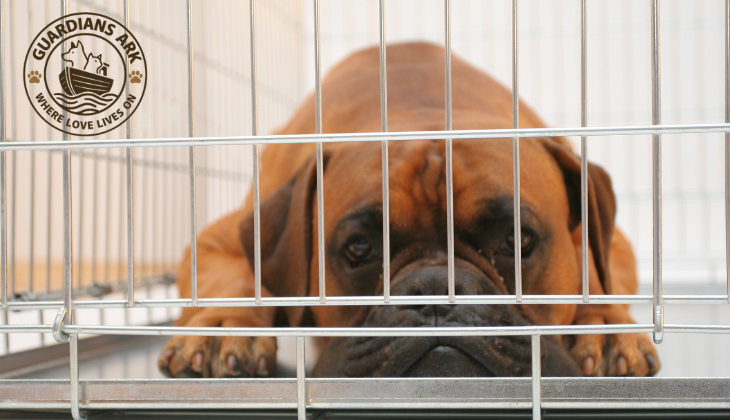
Shelters are designed to provide immediate safety and temporary care. They are not built for long term housing. When animals remain for extended periods, space becomes limited and resources are stretched. Staff and volunteers work tirelessly to keep up, but there are limits to what any system can handle.
Rescue organizations often step in to help fill the gap. Many of these groups are run by volunteers and rely heavily on donations. They take in animals that shelters cannot accommodate, including those with medical needs or complex histories.
We have seen how committed these teams are. We have also seen how quickly they can reach capacity.
In these environments, decisions must often be made quickly. The goal is always to provide care and find suitable homes, but the reality is that not every animal has the same path forward.
Older pets and those with ongoing medical needs are often the most affected. They require more time, more resources, and more stability. These are the same conditions that are hardest to provide in a system built for short term care.
There is another factor that is often overlooked.
Many pets enter shelters not because they were abandoned in the traditional sense, but because their owners were no longer able to care for them. This can happen due to illness, financial hardship, or the loss of the owner.
When there is no plan in place, these pets enter the system unexpectedly.
We have seen cases where a pet arrives with belongings, medical records, and clear signs that they were loved and cared for. What is missing is a long term plan.
This is where the larger issue becomes clear.
The current system is largely reactive. Shelters and rescues respond to immediate needs, often with limited resources and time. While this work is essential, it does not address the root causes that lead animals into the system in the first place.
Guardians Ark was created with a different approach.
Our goal is not to replace shelters or rescues, but to support the broader system by addressing gaps that contribute to overcrowding and instability.
One of the most important ways to do this is through planning. When pet owners create clear plans for their animals, fewer pets enter shelters due to unexpected life events. This reduces pressure on an already strained system.
In addition to planning, Guardians Ark is developing a sanctuary model that provides long term care for pets who cannot be easily rehomed. This creates a stable environment for animals that need more than temporary placement and helps free up space and resources within shelters.
We also believe in collaboration. Supporting local rescues, sharing resources, and working alongside existing organizations strengthens the entire network of care.
No single solution will solve this challenge.
But by addressing both prevention and long term care, it is possible to create more sustainable outcomes for animals and the people who care for them.
This is not just about managing numbers or capacity. It is about creating a system where fewer pets face uncertainty and more animals receive the level of care they need.
Guardians Ark is part of that effort.
And with the right approach, the future can look different for both shelters and the animals they serve.