


When a senior pet enters a shelter, the experience is often very different from that of a younger animal.
These pets are not just adjusting to a new place. They are leaving behind a life they have known for years. Familiar routines, familiar smells, and the person they relied on are suddenly gone.
For many older animals, this transition can be confusing.
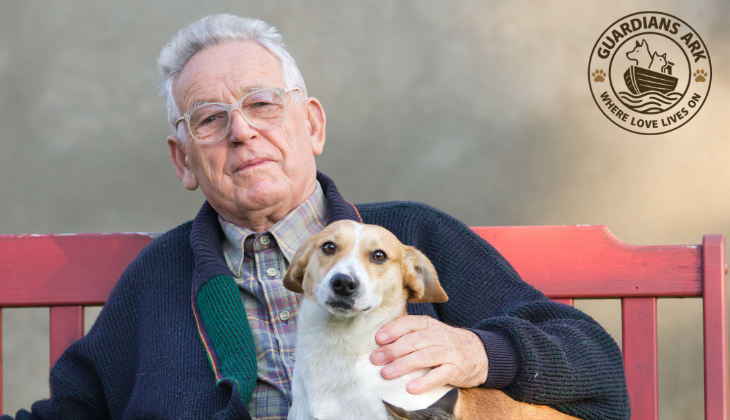
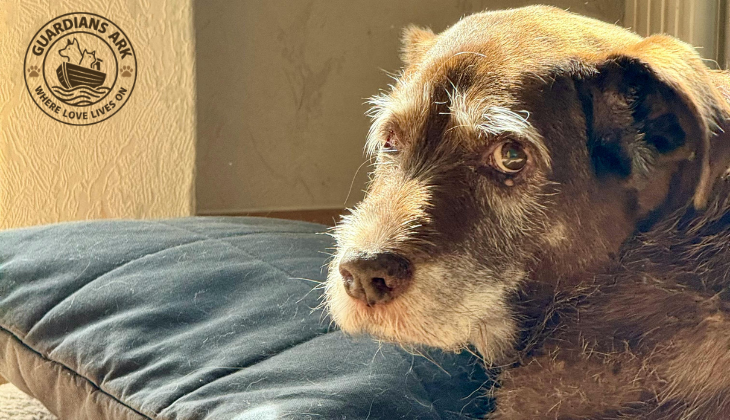
We have seen senior dogs arrive still moving slowly, looking for the person who used to call their name. Some come in with graying fur and worn collars, carrying the quiet signs of a long life lived closely alongside someone who cared for them deeply.
In most cases, these pets were not abandoned in the way people often imagine.
They were loved.
Their owners may have become ill, moved into assisted living, or passed away. In other situations, financial or housing challenges made it impossible to continue providing care. The result is the same. The pet enters a new environment without understanding why everything has changed.
Shelters work hard to provide immediate support.
Staff and volunteers offer food, medical attention, and as much comfort as possible. They do everything they can to stabilize each animal and begin the process of finding a new home.
But shelters are designed for short term care.
For senior pets, time matters in a different way.
Older animals often need more than basic care. They may require medication, special diets, or a quieter environment. Some have limited mobility. Others have spent years in one home and are not used to frequent change.
We have seen how these factors can affect their ability to adjust.
A busy shelter environment can feel overwhelming. There are new sounds, new routines, and constant activity. Even with the best intentions, it can be difficult to create the level of stability that many senior pets need.
Adoption can also be more challenging.
Families often look for younger animals, assuming they will have more time together. Senior pets are sometimes overlooked, even though they can be calm, affectionate, and already well trained.
This creates a difficult situation.
The pets who may need the most stability are often the ones who wait the longest.
We have seen older animals spend extended periods in shelters simply because they are not the first choice for adoption. During that time, their health and emotional well being can be affected.
This is not due to a lack of care.
It is a limitation of the system.
Shelters are doing important work, but they are not always equipped to provide long term, individualized care for every animal, especially those with higher needs.
This is where alternative solutions become important.
A sanctuary model offers a different environment for senior pets. Instead of focusing on short term placement, it provides ongoing care in a setting designed for comfort, routine, and stability.
We have seen how older animals respond to this kind of space.
When routines are consistent and the environment is calm, many begin to settle. They eat more regularly, rest more comfortably, and show signs of reduced stress. The focus shifts from finding a new home quickly to ensuring quality of life.
Guardians Ark is being built with this need in mind.
The goal is to create a place where senior pets can continue to receive attentive care without the pressure of constant transition. This approach supports animals who may not be easily rehomed while also helping relieve pressure on shelters.
It is also a reminder of something important.
Senior pets are not defined by their age. They carry years of loyalty, companionship, and shared history. They deserve care that reflects that.
Understanding what happens to senior pets in shelters helps bring attention to a part of the system that is often overlooked. It also highlights the importance of planning ahead and supporting solutions that provide long term care.
Every stage of a pet’s life matters.
And for older animals, stability, comfort, and consistency can make all the difference.